

Advanced waterproofing solutions
At Aqua Concrete Waterproofing Services, we specialise in protecting concrete structures with innovative, long-lasting solutions. We provide expert application of polymer cement WRAS-approved lining systems for your concrete structure's. Discover how our technology and meticulous processes ensure unparalleled protection and durability.
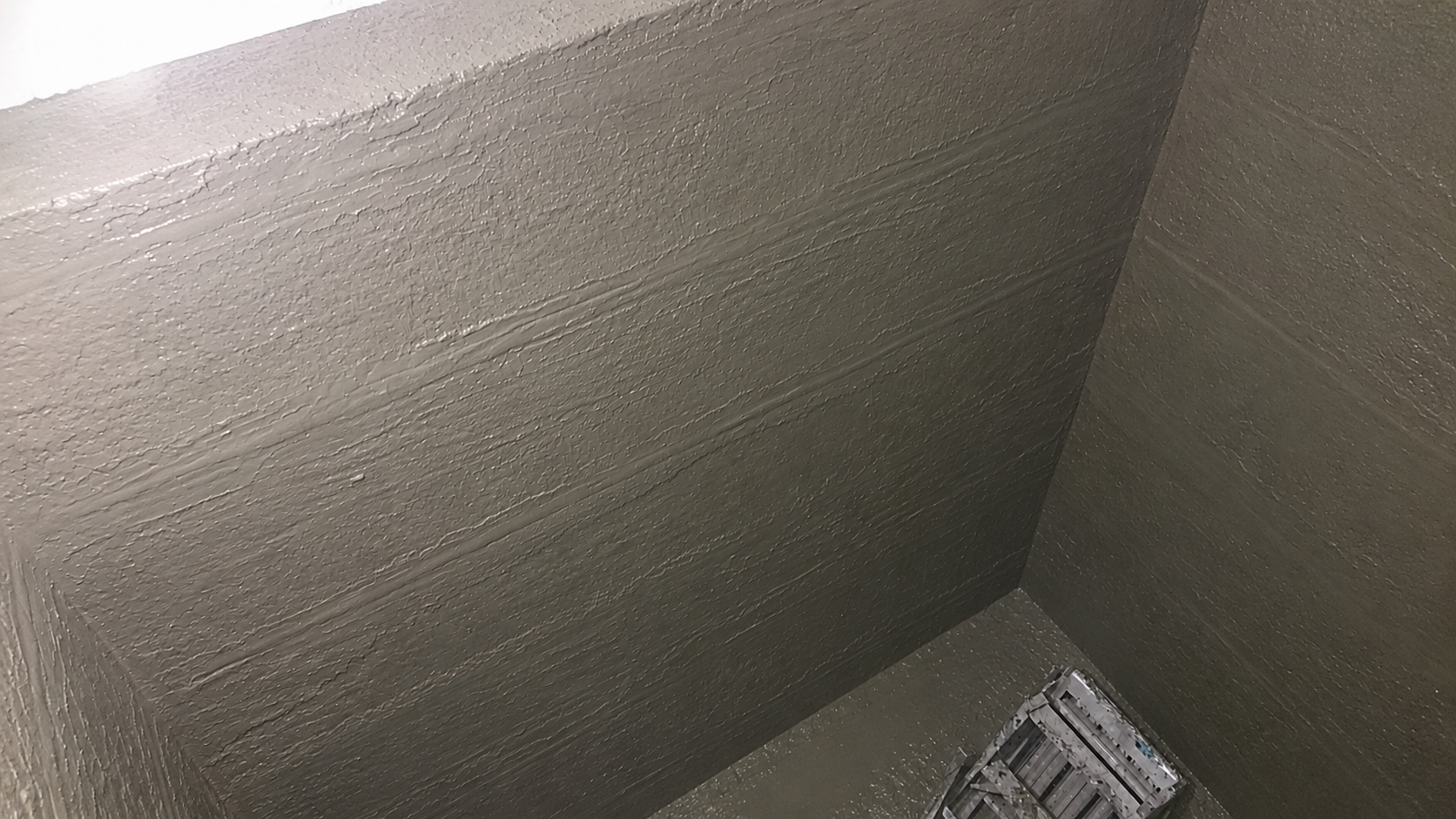
Our unique breathable waterproofing technology
Unlike conventional epoxy and polyurethane systems, our tanking slurry offers a breathable yet impenetrable barrier against liquid water. Its microporous structure allows internal moisture and water vapour to safely escape the substrate, preventing blistering or delamination. This innovative approach ensures superior performance and longevity.
Key characteristics of our tanking slurry:
Blocks liquid water: Highly resistant to both positive and negative hydrostatic water pressure, making it ideal for critical applications like basements and underground structures.
Vapour permeable: Our microporous composition allows the underlying masonry to "breathe" naturally, preventing moisture from becoming trapped and causing structural deterioration.
Crystalline technology: Cementitious slurries contain active chemicals that react with moisture to grow insoluble crystals within the concrete or brickwork pores, effectively sealing micro-cracks from within.
Why Aqua Concrete's Tanking Slurry Coating is Superior
Here at Aqua Concrete Waterproofing Services we utilize a advanced cementitious tanking slurry that acts dynamically rather than just sitting on the surface.
Internal Crystalline Integration: Instead of creating a temporary surface layer, the active chemicals migrate deep into the concrete's pores, reacting with moisture and free lime to form a permanent, internal crystalline matrix. Providing excellent waterproofing properties by becoming an integral part of the structure to which it is applied
Dual-Pressure Liquid Block: The microscopic gaps in this cured matrix are physically too small for large, hydrogen-bonded liquid water clusters to penetrate. This effectively blocks water from both positive pressure (water pushing from the outside in) and negative pressure (water pushing from the inside out).
Breathability (Vapour Permeability): While liquid water is completely blocked, individual gaseous water vapour molecules are small enough to diffuse through freely. This allows the concrete structure to "breathe," preventing moisture from getting permanently trapped inside the walls.
How it Compares to Epoxy (Finding the Downside of Epoxy and polyurethane)
When you look at epoxy or polyturehene coatings they operate on a completely different mechanic, which often falls short compared to a crystalline tanking slurry:
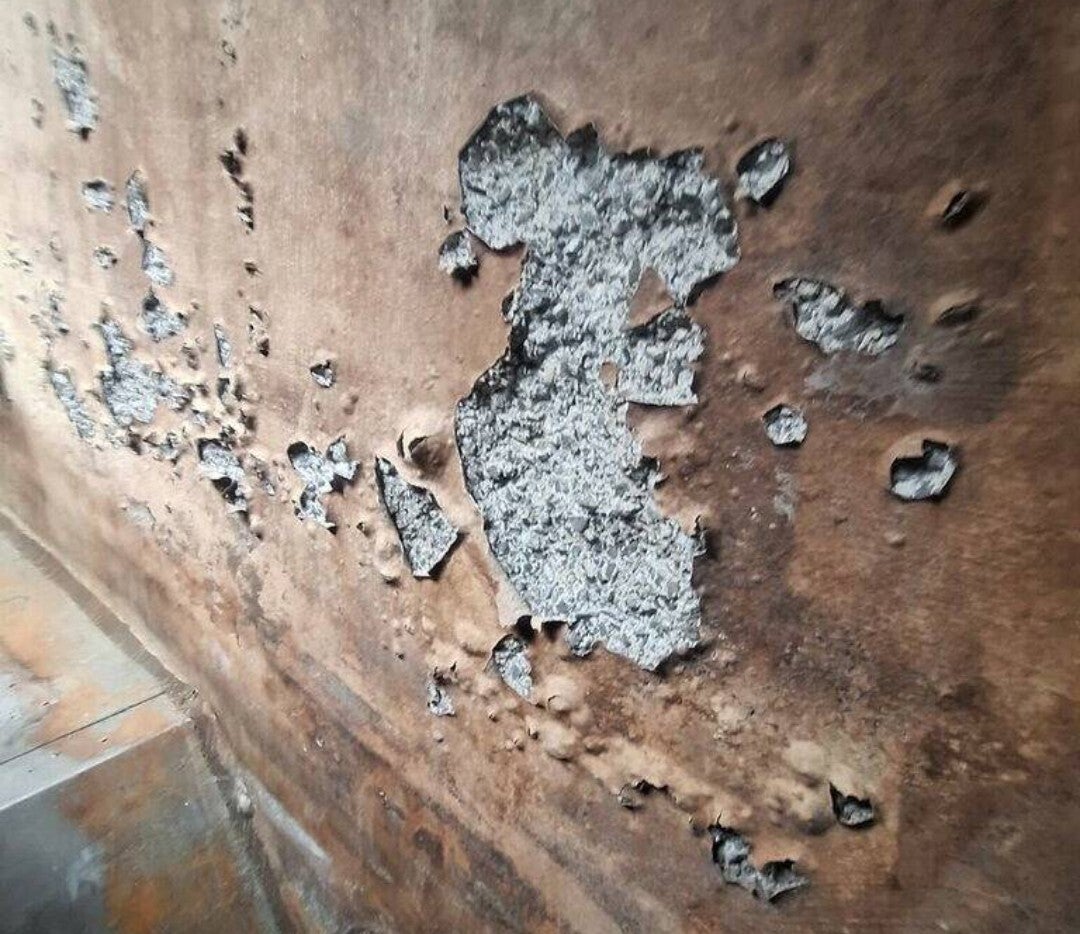
The Vapor Trap Problem: Epoxy creates a 100% solid, completely impermeable barrier. While it is excellent at stopping liquid water initially, its inability to let water vapour pass is its major downfall. Trapped moisture behind an epoxy barrier will eventually turn to vapour, build up pressure, and cause the epoxy to blister, crack, or delaminate from the concrete.
Bonding Issues under Negative Pressure: If water forces its way from behind the concrete wall (negative pressure), it can easily pop a surface-level epoxy coating right off the wall. Aqua Concrete’s slurry integrates inside the pores, meaning it cannot be pushed off by negative pressure.
Example of failed polyurethane WRAS approved lining with in a waste water concrete structure
Our meticulous application process
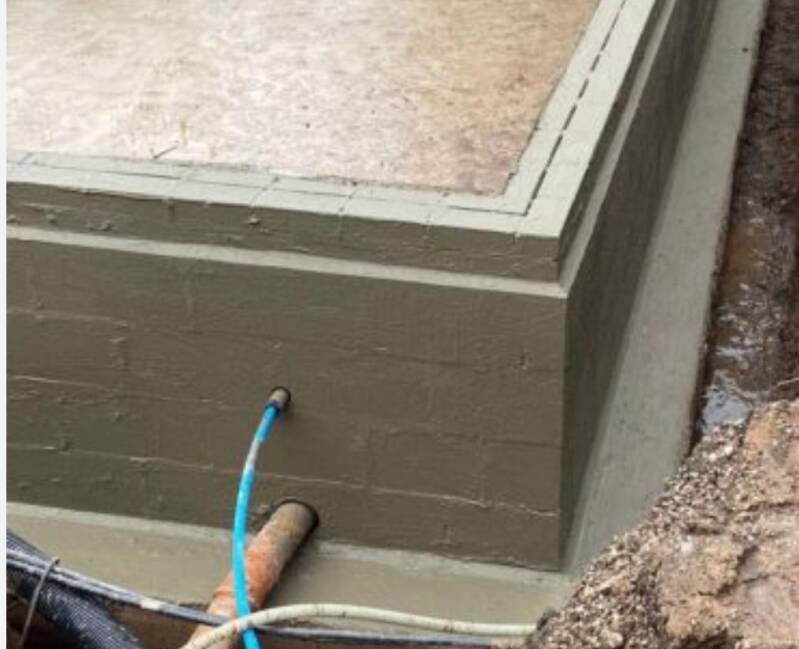
Our comprehensive application process ensures optimal results and lasting protection for your concrete structures.
Step-by-step application:
- Pre-site visit and assessment: We conduct a thorough pre-site visit to assess job needs, create a site-specific risk assessment, and develop a detailed method statement.
- Surface preparation: Preparation involves scrabbling and scarifying to remove any old, failed coatings, salt and minerals removal and to profile the substrate for optimal adhesion of the new coating system.
- Joint strip coat: A strip coat is applied to all joints, incorporating a fibreglass bandage to provide additional strength and flexibility.
- First coat application: The first coat is applied with a minimum thickness of 5000 microns, ensuring comprehensive coverage and initial waterproofing.
- Second coat application: A second coat is then applied, also with a minimum thickness of 5000 microns, to achieve robust, multi-layered protection.
- Completion and certification: Upon job completion, the client receives a photographic completion report. For water tanks, refilling and chlorination are performed, and a chlorination certificate is issued.
Solving common concrete and leakage problems
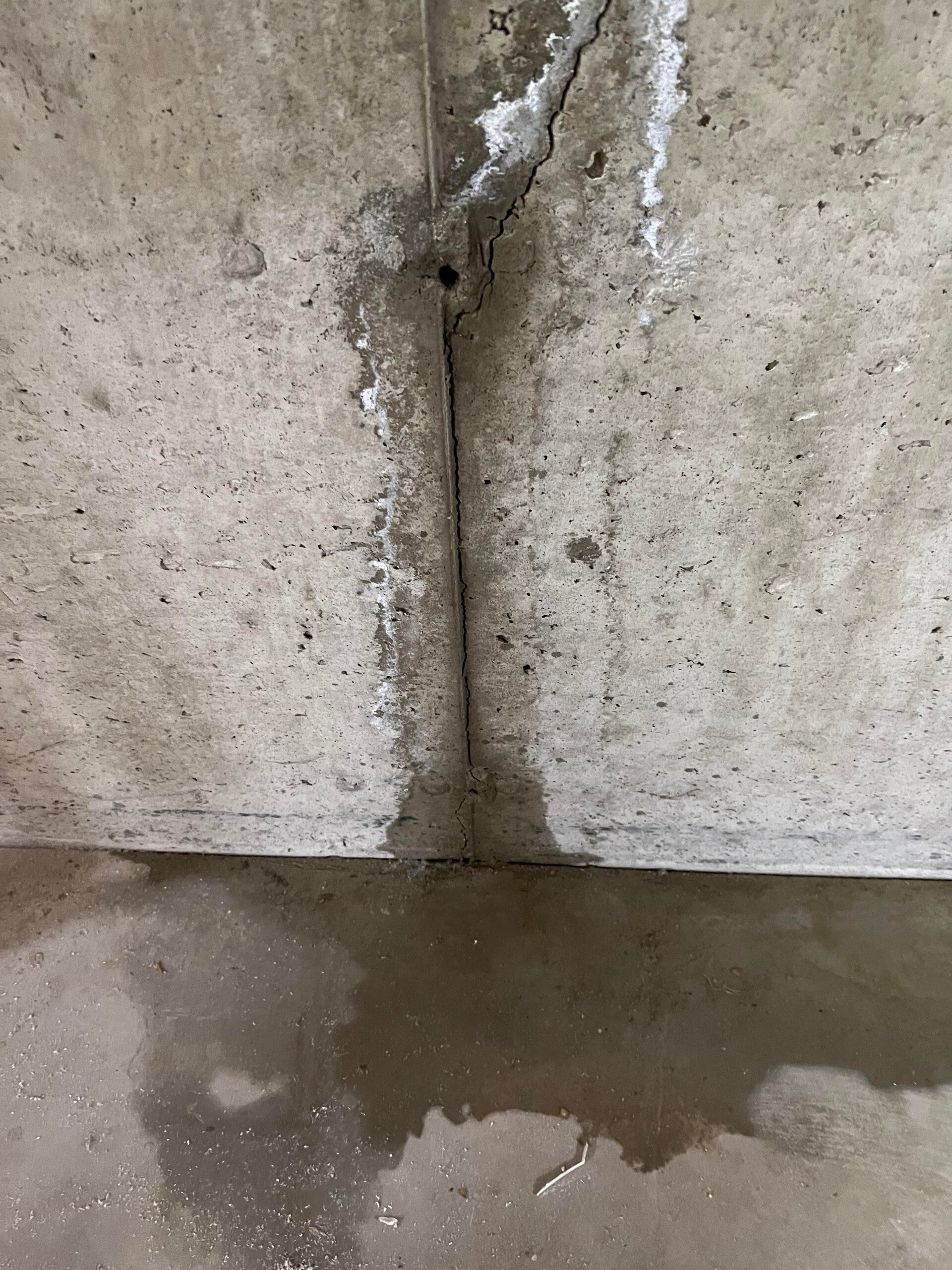
Our technology confidently addresses the most pressing concerns our customers face regarding water leakage and concrete damage, safeguarding your investments for years to come.
Common concerns we resolve:
- Structural integrity and "concrete cancer": The greatest concern is water reaching the steel rebar reinforcement within the concrete. When steel rusts, it expands significantly, causing internal pressure that cracks and breaks the concrete from the inside out – a destructive cycle known as concrete cancer or spalling. Our systems prevent water ingress, thus stopping this process.
- Concrete degradation: Concrete is inherently porous. Saturated water carrying minerals can lead to efflorescence (salt build-up). Over time, osmotic pressure from these salts can cause the concrete surface to crumble or flake away. Our waterproofing prevents this degradation by blocking water and mineral penetration.